The Ultimate Showdown: Fujifilm X E5 vs Panasonic Lumix S1 II for 2026
Choosing a camera in 2026 is as much about matching a system to a photographer’s workflow as it is about raw technical specs. This head-to-head looks at two very different but compelling options: the compact, style-driven Fujifilm X E5 and the heavyweight, full-frame Panasonic Lumix S1 II. Both cameras appeal to distinct audiences and use cases, and this article breaks down their strengths and weaknesses, real-world performance considerations, and buying recommendations so readers can decide which one makes the most sense for their photography or video needs.
Introduction: what each camera is for
The Fujifilm X E5 is positioned as a compact, rangefinder-style APS-C mirrorless camera built for street photographers, travel shooters, and enthusiasts who prioritize portability, tactile controls, and color rendition. Fujifilm’s X lineup is also known for its film-simulation JPEGs and a lens ecosystem optimized for smaller sensors.
The Panasonic Lumix S1 II is a full-frame, professional-grade mirrorless camera built around high-resolution imaging, robust build quality, and advanced stabilization and video capabilities. It targets working professionals and serious enthusiasts who need top-tier dynamic range, low-light performance, and a full-frame lens ecosystem (L-mount alliance) with professional features like weather sealing and advanced codecs.
Detailed product analysis
Design, ergonomics, and build
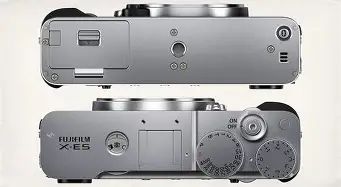
Fujifilm emphasizes compactness and tactile operation in the X E5. The camera’s rangefinder-inspired layout keeps controls simple but direct: dedicated dials, a minimalist top plate, and a body small enough for everyday carry. This makes it ideal for photographers who prefer discretion and a camera that doesn’t get in the way of capturing candid moments. The lighter weight and smaller lenses translate into less fatigue during all-day walks or travel.
Panasonic’s S1 II takes a different approach with a larger, more substantial body. The pronounced grip, deep control layout, and top-plate displays cater to professional use, where handling stability, button customization, and long-session ergonomics matter. The chassis is typically built to be weather-sealed and durable to withstand demanding environments—valuable for wedding, landscape, and commercial photographers who shoot in variable conditions.
Image quality and sensor considerations
The core difference here is sensor size. The X E5 uses an APS-C sensor, which offers an excellent balance of resolution, depth of field control, and compactness. In practice, APS-C performs very well for everyday shooting, travel, and editorial work—especially when paired with Fujifilm’s lens lineup optimized for sharpness and character. Fujifilm’s color science and in-camera processing also yield pleasing JPEGs straight from the camera, which suits photographers who want to minimize post-processing.
The S1 II’s full-frame sensor provides advantages in dynamic range and low-light performance, and it generally yields shallower depth of field when desired. For landscape, studio, and low-light assignments where latitude in highlights and shadows matters, full-frame gives extra room to maneuver. The S1 II is typically better suited to delivering large prints and cropping flexibility for high-resolution deliverables.
Autofocus, speed, and real-world performance
Autofocus (AF) continues to be a competitive area across brands. The X E5 is designed to be responsive for everyday shooting: quick single-point AF, competent subject detection, and reliable face/eye detection in most lighting conditions. It’s a practical choice for street and travel photography where speed and simplicity matter more than chasing extremely high burst rates.
The S1 II is engineered to meet professional demands. Expect faster continuous AF tracking, improved subject recognition under challenging conditions, and higher sustained burst performance when paired with fast cards. These attributes make it more suitable for sports, wildlife, and other action-oriented photography, as well as fast-paced commercial shoots.
Stabilization and video
In-body image stabilization (IBIS) is a major system-level differentiator for many buyers. The S1 II benefits from a robust IBIS implementation that enables handheld shooting with slower shutter speeds and smoother video capture when lenses lack stabilization. This is an important advantage for handheld videographers and travel shooters who want stable footage without gimbals.
Find top-rated Cameras & Photography products at great prices.
View Offers →
The X E5’s stabilization approach will be more modest due to its compact nature—either relying on lens stabilization or a more compact IBIS system if present. For photographers who shoot video occasionally or prioritize portability, the X E5 still performs well; for professional video work, the S1 II will typically have more advanced codec and format options, along with features such as waveform monitoring, advanced color profiles, and higher sustained recording limits.
Lenses and ecosystem
Fujifilm’s X-mount lens ecosystem is extensive for APS-C shooters: compact primes, versatile zooms, and many third-party options. The smaller sensor allows lenses to stay lightweight and travel-friendly. Buyers should consider not only the body price but the total cost and size of lenses needed for their intended shooting style.
The S1 II uses the L-mount (part of the L-Mount Alliance), which opens up full-frame lenses from multiple manufacturers. This ecosystem supports professional-grade optic choices—large-aperture primes and high-performance zooms—but the physical size and cost of those lenses are higher. The L-mount’s flexibility, however, is attractive for pros who need a broad selection for commercial and specialized work.
Battery life and workflow
Large, professional cameras like the S1 II generally integrate larger batteries and offer longer shooting time per charge, plus features like dual card slots for backup or overflow. This improves reliability on paid assignments. Fujifilm’s X E5, while efficient, will have more modest battery life due to smaller body constraints. For long days, X E5 users should plan for spare batteries or a portable charger.
Pros & Cons
Fujifilm X E5
- Pros: Compact and lightweight; excellent color rendition and JPEG output; intuitive control layout; wide selection of compact X-mount lenses; great for street, travel, and everyday use.
- Cons: APS-C sensor has less low-light headroom than full-frame; fewer professional video features and less robust stabilization (system-dependent); smaller battery capacity.
Panasonic Lumix S1 II
- Pros: Full-frame image quality with superior dynamic range and low-light performance; strong IBIS; professional-level build and ergonomics; advanced video features and recording options; broad L-mount lens ecosystem.
- Cons: Larger and heavier system; lenses are typically bigger and more expensive; higher entry cost for a complete kit; less discreet for street or travel photography.
Side-by-side comparison
| Category | Fujifilm X E5 | Panasonic Lumix S1 II |
|---|---|---|
| Sensor | APS-C — balance of size and performance | Full-frame — higher dynamic range and low-light headroom |
| Target user | Enthusiasts, street/travel photographers, everyday shooters | Professionals, studio/wedding/landscape photographers, advanced videographers |
| Body size & weight | Compact and lightweight — excellent for carry-all-day | Larger and heavier — built for handling and stability |
| Stabilization | Modest (lens-dependent or smaller IBIS) | Robust IBIS for handheld stills and video |
| Autofocus | Fast and accurate for everyday use and portraits | Advanced AF tracking and sustained performance for action |
| Video | Capable for casual video and vlogging; easy-to-use controls | Professional codecs, extended recording features, suited to pro video |
| Lens ecosystem | Wide selection of compact X-mount lenses; many third-party options | Extensive L-mount options across brands; professional optics |
| Battery & workflow | Smaller battery — spare batteries recommended for long days | Longer battery life, dual card slots, pro workflow features |
| Best for | Travel, street, social, and enthusiast photography | Commercial, studio, landscape, event, and professional video |
Buying guide: how to pick between the X E5 and S1 II
1. Define primary use cases
First, identify where most shooting will happen. If the majority of work is travel, street, or casual editorial photography where portability and discretion matter, the X E5 is a strong match. If the photographer shoots paid assignments, needs larger prints, or heavily films in low light, the S1 II is better aligned with those professional needs.
2. Consider lenses and total system cost
Buyers often focus on body price, but the lenses determine the long-term usefulness of a system. The Fujifilm X system tends to be more affordable and compact for a given focal length, which lowers the cost and weight of a travel kit. The L-mount ecosystem supporting the S1 II offers a broader range of professional optics but at higher prices and larger sizes. Think beyond the body: estimate the lenses required and weigh that into the purchase decision.
3. Prioritize ergonomics and handling
Try both cameras in hand if possible. The X E5’s smaller footprint is delightful for everyday carry but can feel cramped during long sessions or when using large lenses. The S1 II’s grip and control layout are advantageous for extended shoots, heavy lenses, and pro workflows. Comfort can directly affect the quality of work over time.
4. Video needs and stabilization
If video production is a core need, evaluate codec support, in-body stabilization, and continuous recording limits. The S1 II will typically be the stronger all-rounder for serious video work. For hybrid shooters who mainly shoot stills but occasionally record, the X E5 offers a lighter, simpler video experience that still delivers excellent results for social and short-form work.
5. Low-light and image quality priorities
Full-frame generally provides cleaner high-ISO performance and greater dynamic range, which simplifies post-processing and expands shooting windows in challenging light. APS-C is still more than capable for everyday scenarios and benefits from smaller, faster lenses that are easier to carry. Decide whether extra low-light latitude is worth the weight and cost of full-frame.
Shop the latest Cameras & Photography picks on Amazon.
View Offers →6. Workflow: cards, backups, and power
Professional shooters should evaluate dual card slots, tethering options, and battery performance. Dual slots and longer battery life reduce workflow friction on paid assignments. Enthusiasts who backup frequently and shoot moderate volumes may find single-slot mirrorless systems acceptable while benefiting from lighter gear.
7. Future-proofing and resale
Consider the long-term roadmap for each system: manufacturer support, lens releases, and resale value. Systems with vibrant ecosystems and professional adoption tend to retain value better. If users anticipate upgrading bodies but keeping lenses, factor in lens compatibility and anticipated needs.
Real-world scenarios: which camera to choose
Street photographer who travels light: Fujifilm X E5. The compact body, intuitive controls, and compact prime lenses make it easy to shoot discreetly for hours. The X E5’s JPEG rendering reduces the need for heavy processing when time is limited.
Wedding or event photographer: Panasonic Lumix S1 II. The S1 II’s ergonomics, full-frame sensitivity, robust AF and stabilization, and professional workflow features fit long days and high-stakes assignments where reliability and image latitude are paramount.
Landscape photographer: Panasonic Lumix S1 II for ultimate dynamic range and large-print capability, though dedicated landscape enthusiasts who prioritize portability might still prefer the advantages of a lighter APS-C setup.
Content creator/YouTuber: If portability and style are key, the X E5 covers vlogging and social content efficiently; for high-end production value, multi-camera shoots, or long-form recording, the S1 II will offer more professional video features.
Conclusion
Fujifilm X E5 and Panasonic Lumix S1 II represent two ends of a practical spectrum in 2026: the X E5 champions portability, tactile shooting experience, and a lens ecosystem optimized for compactness and everyday creativity; the S1 II delivers professional full-frame imaging, advanced stabilization, and the endurance required by demanding commercial and video workflows. Neither camera is objectively better for everyone—the right choice depends on priorities: portability and character (X E5) versus full-frame performance and professional features (S1 II).
Buyers should weigh real-world needs—how often they travel, whether they shoot paid assignments, their video requirements, and the lenses they plan to own. Hands-on testing and calculating total system cost (body plus lenses and accessories) will reveal which system best fits an individual’s creative life. Both cameras are capable and relevant in 2026; the decision comes down to aligning the camera’s strengths with the user’s intended use.