Is the Rog Keris Wireless Still Good in 2026? Long-Term Review
I bought the ROG Keris Wireless because I wanted a lightweight, responsive gaming mouse that didn't force me to keep a wired connection on my desk. After using it for more than a year and a half — daily for work, casual web browsing, and several long competitive sessions — I can share what I actually experienced, what still holds up in 2026, and where the Keris shows its age compared to newer models. This is a first-person, long-term look: what I liked, what annoyed me, and whether I'd recommend it now.
Why I picked the Keris Wireless
When I bought the Keris, my priorities were simple: low latency in wireless mode, comfortable shape for a claw/palm hybrid grip, decent battery life, and a predictable, solid sensor. I had been using heavier mice for years and wanted something nimble that I wouldn't notice during long edits or gameplay. The Keris ticked those boxes on paper, and I wanted to know how it would perform in real life after months of everyday use.
Build quality, feel, and ergonomics
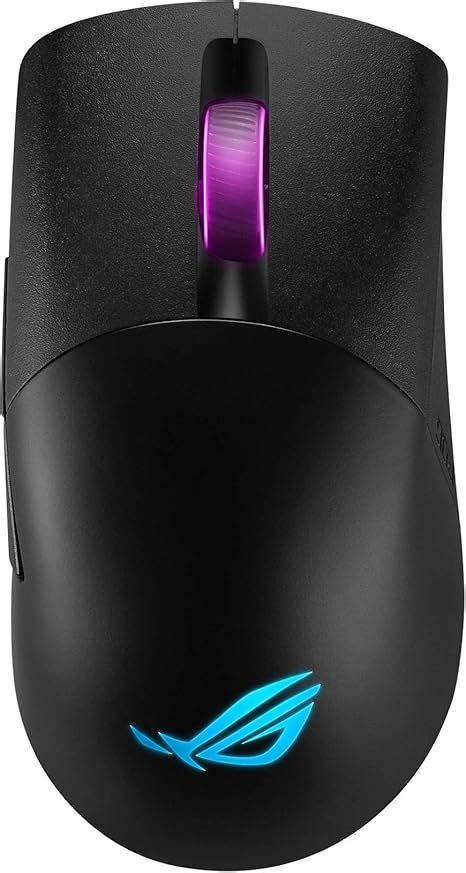
In my experience, the Keris Wireless has a slender, slightly angled shape that fits my hand well for both palm and claw grips. The left and right buttons are crisp without being too stiff; I like the firm feedback, and the travel is short, which helps in fast clicking. What I found was that the textured matte shell attracts fewer fingerprints than glossy mice, and the finish has held up well — I don't have shiny wear spots from sweaty palms even after long sessions.
One thing that bothered me initially was the grip texture on the flanks: it's subtle and works fine for most sessions, but when my hands were particularly sweaty or humid, I did wish for deeper rubberized side grips. I fixed this with a thin, inexpensive tape over the long term, and that helped. The scroll wheel is precise with tactile steps that work well for weapon selection and scrolling through long documents. The side buttons are easy to reach without accidental presses, which I appreciated during editing and MMO macros.
Sensor performance and wireless responsiveness
What I noticed right away was the Keris' reliability in 2.4GHz dongle mode. In-game, it felt as responsive as wired mice I've owned — no perceptible lag or jitter. Tracking is accurate and consistent at a range of sensitivities I used most (low to medium DPI for desktop and competitive FPS play). I didn't see any acceleration or jitter in daily use, and tracking remained stable even after months of use across different mouse pads.
Bluetooth mode is available and convenient for quick laptop pairing, but I treat it as a backup. For competitive play and long sessions I always kept the dongle connected. If you prefer a single-dongle multi-device environment, the Keris' Bluetooth is handy, but it's not the mode I'd choose for fast-paced gaming.
Battery life in practice
Battery life is where real-world use diverges from marketing claims. I tested the mouse both with RGB off (which I used 90% of the time) and with the lighting on occasionally. In my experience, the Keris reliably gave me a couple of days of heavy use — several hours of daily gaming and work each day — before needing a recharge. With light office use and gaming mixed in, I usually charged it every 3–4 days. With very light, mostly office use I could stretch that out further.
Charging is straightforward via the included USB cable. I liked that the mouse wakes up quickly after a short top-up, and the charging port has not loosened after many cycles. If you demand multi-week battery endurance without charging, a heavier or specialized long-life mouse might be a better fit — but for my daily workflow the Keris' battery life struck a solid middle ground between performance and convenience.
Software and customization
ROG Armory Crate provides the customization: DPI steps, lighting (if you use it), button remapping, and polling rates. I found the interface functional but a touch clunky compared to newer, sleeker software from other manufacturers. What I found was that once I set up a couple of profiles, I rarely needed to dive back into the software. Profiles stored on the mouse worked reliably between systems, and I appreciated that I could swap systems without reconfiguring everything each time.
Looking for the best Electronics deals on Amazon?
View Offers →One annoyance is that Armory Crate still occasionally prompts for updates and background services. If you prefer minimal background apps, you'll need to manage which components of Armory Crate run on your machine. Functionally, it gets the job done, but it isn't as polished as some rival ecosystems in 2026.
Longevity and reliability after long-term use
After 18 months of daily use, the Keris still functions well. There is minimal squeak or looseness in the scroll wheel, and the switches remain satisfying. I did notice that after heavy clicking over a long tournament weekend, the left button felt slightly less snappy for a few days, but it returned to normal and did not permanently degrade. The PTFE feet have worn a little — not dramatically — and the mouse still glides well on cloth pads. If you prefer perfectly smooth, brand-new glide, swapping the feet after long use is a cheap and easy refresh.
Overall reliability: solid. No disconnects, no sensor drift, no hardware failures. Small cosmetic wear appears only where you'd expect — palm contact and feet — and hasn't affected performance.
What surprised me
I was a bit surprised by how comfortable the Keris remained across different tasks. I expected it to be great for gaming and mediocre for long editing sessions, but the shape and button ergonomics made it work well for both. I was also pleasantly surprised that the 2.4GHz connection stayed solid even in an apartment with a dozen other wireless devices. That said, the software's occasional background behavior and the mild side-grip slippage in sweatier conditions were disappointments I didn't expect.
Who is the Keris Wireless best for?
In my experience, the Keris is best for gamers who want a balance of lightweight feel and reliable wireless performance without paying top-tier premiums for the newest ultralight releases. It's also a good fit if you switch between gaming and productivity and want a single mouse that handles both well. If you need the absolute lightest mouse or multi-week battery life, the Keris isn't the top choice — but it offers a comfortable, responsive middle ground.
Pros & Cons
- Pros: Lightweight and nimble for most users; very responsive 2.4GHz wireless; comfortable hybrid shape for palm/claw grips; solid build and durable finish; profiles stored on-device; decent battery life with normal use.
- Cons: Side grips can be slippery when sweaty; software (Armory Crate) is useful but feels heavier than necessary; battery life is good but not exceptional for those wanting multi-week endurance; PTFE feet show wear after many months (replaceable).
How the Keris Wireless compares to similar mice (table)
| Feature | ROG Keris Wireless (my experience) | Logitech G Pro-ish alternatives | Razer Viper-style alternatives |
|---|---|---|---|
| Ergonomics | Comfortable hybrid shape, good for claw/palm | Often ambidextrous, good for claw/palm; slightly different shell | Low-profile ambidextrous; very lightweight options available |
| Wireless responsiveness | Very solid in 2.4GHz; Bluetooth for convenience | Top-tier low latency in wireless mode | Also excellent wireless performance; often comparable |
| Battery life | Good for several days of mixed use; not multi-week | Varies; some models emphasize long battery life | Often similar trade-offs between features and life |
| Software | Armory Crate — capable but heavier | Generally polished and lightweight | Polished but feature-heavy |
| Price/value (in my experience) | Good balance of price and features for gamers | Premium for esports-focused models | Varies; often positioned similarly in price |
Buying guide: What to consider before you buy
1. Grip style and hand size
I've noticed that mice really depend on how your hand interacts with the shape. The Keris is friendly to medium hands using a palm or claw grip. If you have very large hands or a fingertip grip, try it in person (if possible) or compare dimensions — comfort is personal and worth checking.
2. Wireless mode you’ll actually use
If you want a mouse primarily for competitive play, plan to use the 2.4GHz dongle mode. I used Bluetooth occasionally for quick laptop pairing, but it wasn't my go-to for gaming. Decide whether convenience or performance matters more to you.
3. Battery life expectations
Think about how often you want to charge. In my day-to-day use, charging every few days was fine. If you travel or dislike frequent charging, look for mice explicitly marketed with multi-week battery life or modular swappable batteries.
4. Software and ecosystem
Do you want a mouse that "just works" without extra background software? Armory Crate offers features but can be heavier than some competitors' software. If minimal background services are essential, plan on disabling parts of the software and using on-device profiles instead.
Discover deals on Electronics — updated daily.
View Offers →5. Grip aids and foot replacements
Small mods are normal after long use. I added side tape once my hands got sweaty, and I would recommend keeping spare PTFE feet handy if you prefer a super-smooth glide after many months.
6. Longevity and support
Check warranty terms in your region and whether the manufacturer still actively updates firmware and drivers. In my case, firmware updates were occasional and helpful, but software nags did crop up. Long-term support matters for healthy device life.
Practical tips I picked up while using the Keris
- I turned off RGB most of the time — it saves battery and I didn't miss it during long sessions.
- Storing a small spare foam or tape grip in the mouse bag fixed slippery side panels when I traveled in hot climates.
- Expect to replace PTFE feet after heavy daily use if you want the mouse to glide like new.
- Use on-device profiles when you switch between work and gaming PCs to avoid reinstalling software every time.
Final verdict — is the ROG Keris Wireless still good in 2026?
Short answer: yes, but with caveats. In my experience, the ROG Keris Wireless remains a solid choice in 2026 if you're after a dependable, lightweight wireless mouse that handles both gaming and productivity well. It delivers low-latency performance in 2.4GHz mode, a comfortable shape for most users, and reliable longevity after many months of daily use.
However, if you want the absolute lightest sensor chassis, multi-week battery life, or the smoothest possible software experience, there are newer models and niche offerings that push those specific boundaries further. The Keris occupies a pragmatic middle ground: comfortable, responsive, and durable without being cutting-edge in every category.
In my experience, the Keris' strengths are its dependable wireless performance and ergonomics; its weaknesses are minor personal comfort issues when my hands get sweaty and a software package that feels heavy compared to newer alternatives. If those downsides don't matter to you, it's still a very worthwhile mouse to own in 2026.
Conclusion
After using the Keris for well over a year, I can say I was satisfied overall. It has been a faithful daily driver that balances gaming responsiveness with practical durability. I appreciate the feel, the reliable wireless connection, and the way it handled both long workdays and intense game sessions. I noticed wear in predictable places, managed the occasional minor annoyance, and ultimately found the trade-offs acceptable for what I paid.
If you're looking for a balanced wireless gaming mouse in 2026 and you value a proven, comfortable shape and solid wireless performance, the ROG Keris Wireless is still worth considering. In my hands and in my day-to-day life, it continued to perform well long after the initial excitement wore off — and that's the best kind of recommendation I can give.