I Switched to the Tracksmith Eliot Racer and Here is What Happened
Introduction
The Tracksmith Eliot Racer is a lightweight road running shoe aimed at runners who value speed, low weight, and a close-to-the-ground feel. When the reviewer decided to swap from a daily trainer to this model for a training block emphasizing turnover and race-specific work, the expectation was simple: a shoe that would feel quick underfoot without sacrificing essential comfort for workouts and shorter races. This article examines that transition in depth, focusing on real-world use cases, buyer concerns, and a practical assessment of how the shoe performs across tempo runs, intervals, and shorter road races.
Detailed Product Review and Analysis
Design and Materials
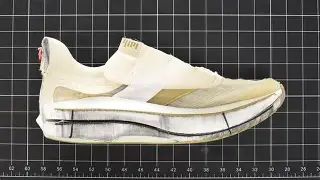
The Eliot Racer follows the minimalist-racer aesthetic: a pared-back upper, modest stack height, and a geometry that favors quick transitions. The upper is engineered for breathability and a snug fit, typically using thin, woven materials and a low-profile tongue construction. For runners who prefer a lightweight, ventilated upper for summer racing and fast sessions, this design checks the right boxes.
The midsole delivers moderate cushioning with an emphasis on responsiveness. Rather than relying on very thick foam or aggressive plate technology, this shoe prioritizes a springy, energetic rebound that rewards fast cadence. The outsole is focused on road traction and weight savings—rubber is placed strategically in high-wear zones rather than covering the full sole, which reduces mass while retaining grip where it matters.
Fit and Sizing
Fit is one of the most consequential factors when switching to a racing-oriented shoe. The Eliot Racer runs a bit snug compared with most daily trainers: the toe box is streamlined, making the shoe feel secure during sharp turns and fast accelerations. Runners with wider forefeet should consider trying a half size up or comparing width-wise before committing to a longer event in this shoe. The heel cup is typically firm and locks the foot in place, limiting internal slippage during repeats and surges.
Ride and Performance
On the road, the Eliot Racer rewards a quick turnover. The platform encourages midfoot to forefoot striking, and the relatively low stack height increases ground feel—this matters during tempo runs and intervals where proprioception and fast micro-adjustments improve efficiency. The shoe is not built for maximal cushioning; longer recovery runs in it will feel firmer than in plush trainers. For intervals, short races (5K–10K), and track-adjacent workouts, it delivers a lively, connected ride that helps the runner feel faster.
Durability
Durability is always a trade-off in lightweight racers. With reduced rubber coverage and lighter foam, expect normal racing lifespans: they tolerate mileage well for race prep but are not designed as everyday shoes. Runners who mix in hard sessions frequently will find that outsole wear appears faster than on thickly soled trainers, especially if many intervals are performed on abrasive surfaces.
Use Cases: When It Excels
- Intervals and Track Work: The Eliot Racer's responsiveness and secure fit make it well-suited to short, fast sessions where feel and cadence matter.
- Short Road Races (5K–10K): For runners chasing PRs at shorter distances, the shoe's lightness and quick transitions provide a competitive edge.
- Tempo Runs and Race Pace Training: Its responsive midsole helps runners sustain goal paces by offering energy return without the mushy feel of highly cushioned models.
Limitations: When to Choose Something Else
The Eliot Racer is less appropriate for very long races (half-marathon and marathon) unless a runner prefers minimal stack height and plans to alternate shoes or has adapted to leaner cushioning. It is also not the top choice for runners who need notable stability features or wider toe boxes for comfort over very long distances.
Pros & Cons
- Pros:
- Lightweight construction that improves turnover and pace feel
- Responsive midsole that rewards cadence and effort
- Snug, performance-oriented fit that secures the foot during fast efforts
- Breathable upper suitable for warm-weather sessions
- Minimalist design that appeals to purist racers and tempo runners
- Cons:
- Less cushioning for long, recovery-oriented runs
- Durability trade-offs because of strategic rubber placement
- Potentially narrow fit for wider-footed runners
- Not ideal as a one-shoe quiver for those who prefer a single trainer for everything
Comparison
A direct comparison helps buyers understand where the Eliot Racer sits relative to common alternatives. The table below gives an at-a-glance view of how the Tracksmith Eliot Racer stacks up against two other lightweight racing options that runners commonly consider.
| Model | Intended Use | Cushioning | Responsiveness | Fit Notes | Recommended Distance |
|---|---|---|---|---|---|
| Tracksmith Eliot Racer | Fast training, short road races | Moderate; low stack height for road feel | High; springy midsole for turnover | Snug, performance-oriented; may feel narrow | 5K–10K, tempo sessions |
| Nike Lightweight Racing Option | Racing, tempo, and mixed distance | Varies; some models use thicker foam | Very high in models with carbon or advanced foam | Often snug in heel, variable forefoot room | 5K–Marathon (model-dependent) |
| New Balance/Other Lightweight Racer | Short races and workouts | Low to moderate | High | More forgiving forefoot in some versions | 5K–10K |
Buying Guide: What Buyers Typically Care About
When considering the Eliot Racer, buyers weigh several practical factors beyond headline performance. The sections below break down the most common concerns and how to evaluate them before purchasing.
Find top-rated Electronics products at great prices.
See Deals →1. Intended Use and Training Plan
Buyers should start by identifying how they will use the shoe. If the goal is race-specific training and short-distance racing, a lightweight racer like the Eliot is appropriate. For daily mileage, long recovery runs, or long races, a more cushioned trainer or marathon-specific racer might be a better fit.
2. Fit and Foot Shape
Try the shoe on with the socks intended for racing. The tight, performance-oriented fit is beneficial for control but can feel restrictive for those with wide forefeet. If the shopper has a wide toe box or prefers extra space, they should size up or compare other models in-person.
3. Sizing Strategy
Like many racers, the Eliot Racer often fits true to size in length but tight in width. Runners transitioning from roomy trainers should consider trying a half size up, especially if they experience toe numbness or blistering when testing the shoe at race-pace efforts. Also test the shoe after a short easy run to see how it feels when the foot is slightly expanded.
4. Weight vs. Cushioning Trade-off
Racers reduce weight by using less material. Buyers must decide whether they value the metabolic advantage of lower mass or prefer the protection of more foam. Those targeting aggressive paces or short races lean toward lighter models. Runners who prioritize injury prevention and longer events may choose more cushion.
5. Durability Expectations
Lightweight racers typically have shorter lifespans than everyday trainers. If a runner expects to log heavy mileage in a single pair, a racer may not be cost-effective for that use. Use racers primarily for key sessions and races while keeping a durable trainer for base miles to maximize both durability and performance.
6. Climate and Traction
The breathable upper performs well in warm conditions but offers less insulation in cold weather. The outsole's targeted rubber works well on dry roads; in wet conditions, runners should be mindful of traction and adjust effort accordingly—especially during sharp turns or decelerations.
7. Try Before Racing
Buyers should avoid racing in a brand-new shoe without prior testing. A short test period with fast workouts and at least one race-pace run will reveal fit issues, hotspot development, and the shoe's behavior under fatigue. If a store-fitting isn't possible, schedule a progressive break-in plan before race day.
8. Price and Value
Price is a factor for many buyers. Lightweight racers often command a premium because of engineering and materials. Consider value holistically: the right racer can improve efficiency and confidence in speed sessions, but misuse (e.g., daily mileage in a racer) shortens lifespan and reduces value per mile.
Looking for the best Electronics deals on Amazon?
Shop Amazon →Practical Tips for Transitioning to a Racer
- Introduce gradually: Start with one or two sessions per week in the Eliot Racer—intervals or short tempo runs—before increasing usage.
- Alternate shoes: Pair the racer with a more cushioned daily trainer. Use the trainer for base miles and the Eliot for speed-focused sessions.
- Watch for signs of overuse: Firmer shoes can expose Achilles, calf, or plantar fascia issues if mileage increases too quickly. Monitor the body's response and back off if soreness persists.
- Race-day checklist: Confirm fit after a warm-up, check for any hotspots, and ensure socks match what was used during training.
Real-World Use Cases
Several runner profiles illustrate how the Eliot Racer performs in practical settings:
Competitive Club Runner
A club runner preparing for a 10K may use the Eliot Racer for weekly interval sessions and races. In this role, the shoe helps maintain turnover during 400–1600m repeats and delivers the snappy feel needed for last-kilometer pushes during races. Its low mass reduces the perceived effort during fast intervals, which can improve training quality over a block.
Weekend Warrior
For a recreational runner aiming to shave minutes off a parkrun time, the Eliot Racer serves as a light, confidence-boosting tool for race day. The key is avoiding overuse; mixing speed sessions in this shoe with longer runs in a cushioned trainer preserves comfort and reduces injury risk.
Multi-distance Athlete
Runners who tackle a variety of distances may adopt the Eliot Racer for short races and workouts while relying on a separate marathon shoe for long-distance events. This approach allows them to derive the benefits of race-specific geometry without compromising long-run comfort.
Conclusion
Switching to the Tracksmith Eliot Racer is a purposeful choice that favors speed, responsiveness, and a connected road feel. In the reviewer’s experience, the shoe excels for intervals, tempo work, and short road races where quick turnover and a secure fit matter most. It is less suited as an all-day trainer for high weekly mileage or for runners who require extensive cushioning or a wide forefoot.
Buyers should approach the Eliot Racer with a clear plan: test the fit, introduce it gradually into the training cycle, and pair it with a more cushioned trainer for base mileage. When used appropriately, the Eliot Racer enhances fast sessions and can be a reliable race-day tool for runners who prefer a lively, minimalist racing platform.