Blind Test: Samsung Galaxy Buds 4 vs Zygo Z2 - Which is Actually Better?
On paper, comparing the Samsung Galaxy Buds 4 with the Zygo Z2 looks almost unfair. One is a mainstream pair of wireless earbuds aimed at everyday listening, commuting, calls, and workouts. The other is a specialist piece of audio gear built for swimmers who want to hear music, coaching, or structured workouts in the pool. Yet that is exactly why this blind test-style comparison matters: buyers do not always shop by category label. They shop by problem.
Someone may want one audio device that handles morning runs, office calls, and weekend training. Another buyer may be tired of flimsy “water-resistant” earbuds that fail the moment real swimming enters the picture. In those moments, the question is not just which product has better specs, but which one is actually better for real life.
This comparison looks at what people typically care about most: sound quality, comfort, fit security, durability, battery life, smart features, usefulness during exercise, and long-term value. The answer is not as simple as declaring one universal winner, because these two products solve very different listening problems. Still, once their strengths and limitations are placed side by side, it becomes much easier to see who should choose the Galaxy Buds 4 and who should choose the Zygo Z2.
What These Two Products Are Really Designed to Do
The first thing worth clarifying is purpose. The Samsung Galaxy Buds 4 are designed as everyday true wireless earbuds. They target listeners who want portable, convenient audio with modern extras such as active noise control, voice features, device switching, and a compact charging case. They are meant to live in a pocket, travel on trains, handle calls, and double as gym companions.
The Zygo Z2, by contrast, are not trying to be ordinary earbuds. They are designed around a specific challenge: delivering audio while swimming. Instead of sitting in the ear canal, they use a bone-conduction style design that transmits sound through vibration. They also rely on a dedicated transmitter system so audio can keep reaching the swimmer when normal Bluetooth would struggle, especially around water.
That difference shapes everything else. The Samsung model is broader and more flexible. The Zygo model is narrower but more specialized. In a blind test, many casual listeners would likely prefer Samsung for everyday music and calls, but many swimmers would immediately choose Zygo because most standard earbuds simply cannot do what it does.
Samsung Galaxy Buds 4 Review: The Strong Everyday Option
Design and Comfort
Samsung has spent years refining the formula for compact wireless earbuds, and the Galaxy Buds 4 continue that approach with a light, easy-to-carry design meant for daily use. Buyers in this category usually care about two things before anything else: whether the buds are comfortable for long stretches and whether they stay in place during movement.
For typical commuting, office work, and casual exercise, the Buds 4 are appealing because they are small, unobtrusive, and familiar in use. They are easier to slip in and out than over-ear headphones, and they fit naturally into day-to-day routines. That matters more than spec-sheet bragging rights. Earbuds that sound excellent but become annoying after an hour tend to end up unused. Samsung’s strength is that its earbuds usually feel like they belong in normal life.
That said, fit remains personal. Some users love lightweight earbuds with an airy feel, while others want a tighter, sealed-in fit for harder workouts. For running, brisk walking, commuting, and household use, the Buds 4 should satisfy most people. For intense training or buyers with difficult ear shapes, they may not feel as locked-in as sport-first designs.
Sound Quality
This is where the Samsung option becomes much easier to recommend to the average buyer. In normal listening conditions, the Galaxy Buds 4 are built to deliver the kind of sound profile most people expect from premium wireless earbuds: clear vocals, solid bass presence, enough detail for podcasts and acoustic tracks, and enough punch for pop, hip-hop, and workout playlists.
For a commuter moving between podcasts, playlists, and calls, that tuning matters more than lab-grade neutrality. Buyers in this segment generally want audio that feels lively and convenient rather than clinical. Samsung tends to balance those priorities well, especially for listeners already invested in smartphone ecosystems and app-based controls.
In practical use, the Buds 4 make more sense for mixed listening. They are the pair someone can wear while answering a work call, then continue using for music at a café, then take to the gym. That all-purpose nature is a major advantage.
Noise Control, Calls, and Smart Features
Buyers paying for premium earbuds usually expect more than sound alone. They want reduced background noise on public transport, reliable microphones for calls, and quick switching between devices. Samsung’s earbuds are positioned to serve exactly those expectations.
For office users and commuters, active noise cancellation or adaptive noise management can be a bigger real-world benefit than slightly better raw sound. A good ANC system makes lower-volume listening possible in noisy environments, which can reduce fatigue. Likewise, decent microphone performance matters enormously for remote workers and anyone who takes calls on the move.
Samsung also tends to reserve some of its strongest convenience features for those inside its ecosystem. Galaxy phone owners often get the best experience through deeper settings integration, easier pairing, and smoother device handoff. That does not make the Buds 4 useless outside Samsung devices, but it does make them more compelling for buyers already carrying a Galaxy phone or tablet.
Find top-rated Audio & Headphones products at great prices.
Browse Now →Durability and Daily Practicality
For sweat, light rain, and general day-to-day use, the Galaxy Buds 4 make sense. For swimming, they do not. That distinction is critical. Many buyers confuse water resistance with true waterproofing. Earbuds suitable for a treadmill session are not automatically suitable for pool laps. Anyone wanting a single audio product for both land training and swimming should be cautious here. Samsung’s earbuds are practical for ordinary workouts, but they are not built around underwater use.
Samsung Galaxy Buds 4 Pros & Cons
- Pros
- Strong everyday sound quality for music, podcasts, and calls
- Compact, portable design that fits easily into daily routines
- Useful smart features for commuting, office work, and multitasking
- Better option for voice calls and all-purpose listening
- Typically better value for buyers who want one pair for normal life
- Especially appealing for users already in the Samsung ecosystem
- Cons
- Not suitable for swimming or underwater listening
- Fit may not feel equally secure for every ear shape
- Some best features may work more smoothly with Samsung devices
- Less specialized for coaching, lap training, or aquatic sports
Zygo Z2 Review: The Specialist That Solves a Real Problem
Why the Zygo Z2 Exists
The Zygo Z2 occupies a category that many audio shoppers only discover after frustration. Standard Bluetooth earbuds are unreliable around water. Traditional waterproof swim headphones often force users to load MP3 files manually, which feels outdated and inconvenient. Swimmers who want live audio, coaching, or simply the freedom to use familiar streaming content usually find that the market has very few convincing solutions.
This is where the Zygo Z2 stands out. It is built around the specific needs of swimmers, triathletes, and structured aquatic training. Instead of pretending to be an all-purpose earbud, it focuses on doing one thing well: making audio usable in the pool in a way that feels modern and practical.
Fit and In-Water Use
For swimmers, fit is not just about comfort. It is about staying put through turns, repeated lengths, and cap use. The Z2’s wraparound, bone-conduction design solves a different set of problems than standard earbuds. There is no concern about in-ear tips loosening in water in the same way as ordinary buds. That can make them feel immediately more trustworthy for their intended use.
Real-world buyers who train several times a week tend to care less about sleek styling and more about whether the device survives repeated sessions and remains stable during movement. On that front, the Z2’s purpose-built shape is one of its biggest selling points. It is not subtle, but it does not need to be. It is equipment.
Sound Quality Underwater
Judging the Zygo Z2 by the same standard as premium music earbuds would miss the point. Bone-conduction audio has different strengths and trade-offs, and underwater listening is its own environment entirely. What matters here is not whether it sounds like a high-end pair of sealed earbuds in a quiet room. What matters is whether the swimmer can hear music, pacing cues, or spoken instruction clearly enough to improve the session.
For that use, the Z2 makes a strong case. Swimmers who have never had reliable real-time audio in the pool often find that even “good enough” underwater clarity feels transformative. Long solo sessions become less monotonous. Structured workouts become easier to follow. Coaching communication becomes much more direct.
Outside the water, however, the Z2 is less convincing as an everyday headphone. Buyers looking for rich bass, isolation from city noise, or polished call quality will likely find it compromised compared with regular premium earbuds.
Transmitter System and Training Features
The defining element of the Zygo setup is its transmitter-based approach. That is what separates it from simpler waterproof headphones that rely on offline stored files. For swimmers who want access to spoken coaching, streaming audio, or training app integration, this feature is a genuine advantage.
There is also a lifestyle difference here. The Z2 suits people who train with intent. It fits lap swimmers, triathletes, coached athletes, and buyers who see swimming as a meaningful part of their routine rather than an occasional leisure activity. That training orientation gives it a different kind of value. It is expensive relative to normal earbuds, but its price makes more sense once viewed as sports equipment rather than generic consumer audio.
Where the Z2 Falls Short
The Z2’s limitations are mostly the flip side of its specialization. It is bulkier, less discreet, and less versatile for normal daily listening. Battery expectations differ as well; training-session endurance is more relevant here than all-day casual wear. It also depends on its broader system setup rather than acting like a simple pair of pocket earbuds.
That means the Z2 is rarely the right answer for someone who just wants one pair of headphones for everything. It is the right answer for someone whose biggest unmet audio need is in the pool.
Zygo Z2 Pros & Cons
- Pros
- Purpose-built for swimming and aquatic training
- Bone-conduction design works without relying on ordinary earbud sealing
- Enables audio use in the pool in a way standard earbuds cannot
- Useful for structured workouts, coaching, and long training sessions
- Secure design better suited to repeated swim movement
- Strong option for swimmers who want more than offline MP3-style solutions
- Cons
- Not the best choice for everyday commuting or office calls
- Bulkier and less discreet than true wireless earbuds
- Audio quality outside the water is less appealing than premium earbuds
- Higher price makes sense only if swimming is a real priority
- Less convenient as a single do-everything audio device
Head-to-Head Comparison
| Category | Samsung Galaxy Buds 4 | Zygo Z2 |
|---|---|---|
| Main Purpose | Everyday listening, calls, commuting, general fitness | Swimming, aquatic training, in-pool audio |
| Design | Compact true wireless earbuds | Bone-conduction sports headset |
| Best Use Case | Mixed daily use across work, travel, and exercise | Pool sessions, coached workouts, lap swimming |
| Sound Quality for Music | Better for typical everyday music enjoyment | Functional and effective for aquatic use, less refined for casual listening |
| Calls and Voice Use | Much better suited for calls and voice tasks | Not the natural choice for everyday calling |
| Water Use | Suitable for sweat and light workout exposure, not swimming | Built specifically for swimming environments |
| Portability | Excellent pocketable convenience | More gear-like and less grab-and-go |
| Versatility | Far better as a single everyday audio product | Far better as a specialist swimming solution |
| Value | Better value for most general buyers | Better value only for committed swimmers |
Blind Test Verdict by Real-World Scenario
For the Commuter
The Galaxy Buds 4 are the obvious winner. They are easier to pocket, easier to pair, better for calls, and more enjoyable for music during trains, flights, or walking through a city. The Z2 would feel excessive and inconvenient in this role.
For the Remote Worker
Again, Samsung is the better pick. Microphone performance, device switching, and general comfort matter far more here than waterproof specialization. Buyers who spend hours moving between meetings and playlists will get more practical value from the Buds 4.
Looking for the best Audio & Headphones deals on Amazon?
Shop Amazon →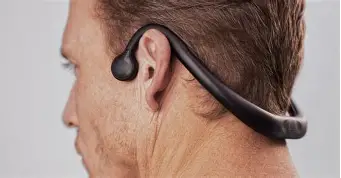
For the Gym User
This depends on the workout. For weight training, cardio machines, and ordinary indoor exercise, the Galaxy Buds 4 are likely the stronger choice because they are simpler, lighter, and more conventional. For pool workouts, they are not even really in the race. That is where the Zygo Z2 earns its place.
For the Swimmer
The Z2 wins decisively. This is the scenario where specialization matters more than versatility. A swimmer who tries to force standard earbuds into pool duty usually ends up disappointed. The Z2 is the product here that actually addresses the real need.
For the Buyer Who Wants One Pair for Everything
The Samsung Galaxy Buds 4 are the safer answer for most people because most people spend far more time commuting, calling, walking, and working than swimming. The only exception is the buyer whose routine genuinely revolves around the pool. For that person, “everything” includes water in a way that changes the entire decision.
Buying Guide: Which One Should a Buyer Actually Choose?
Choosing between these two comes down to asking the right questions.
1. Is swimming a core part of the routine or just an occasional activity?
If swimming happens once in a while for leisure, the Zygo Z2 may be more tool than necessary. If it is a regular part of fitness, training, or recovery, the Z2 becomes much easier to justify.
2. Will the headphones be used for calls, work, and commuting?
If yes, the Galaxy Buds 4 have the much broader appeal. They are made for modern everyday life in a way the Z2 is not. Buyers should not underestimate how often they will want simple convenience.
3. Is sound quality for ordinary music listening the top priority?
For most listeners, Samsung is the more natural choice. Premium earbuds are still the better fit for people who care most about balanced music playback, convenience, and phone integration.
4. Is the buyer solving a specific frustration?
This is the key question. If the frustration is “regular earbuds are annoying on the train and during calls,” buy the Galaxy Buds 4. If the frustration is “nothing I own lets me listen properly while swimming,” buy the Zygo Z2.
5. Is the budget being spent on convenience or capability?
Samsung’s value is in versatility. Zygo’s value is in solving a difficult niche use case. Neither is overpriced if judged by the right standard, but each looks poor value when judged by the wrong one.
Conclusion
In a true blind test, the Samsung Galaxy Buds 4 would probably win with the average listener because they are simply better suited to the way most people live. They handle music, calls, commuting, and general exercise with far fewer compromises. For buyers seeking one dependable pair of wireless earbuds for everyday life, Samsung is the stronger and more practical choice.
But the Zygo Z2 is the more impressive product in one important sense: it solves a problem most earbuds do not solve at all. For swimmers and aquatic athletes, it is not just different; it is meaningfully better. It turns pool time into connected listening time, and that makes it the right winner for the right person.
So which is actually better? For most buyers, the Samsung Galaxy Buds 4. For swimmers, unquestionably the Zygo Z2. The better product is the one that fits the life it is being asked to serve.