5 Hidden Features of the Vari Comfortflex Office Chair You Must Know About
Category: Electronics
Introduction
The Vari Comfortflex Office Chair has become a common sight in modern home offices and collaborative workplaces. On the surface it looks like a stylish, practical ergonomic chair — but closer inspection reveals several subtle design choices that improve comfort, durability, and productivity in real-world use. This article highlights five less obvious, high-impact features of the Comfortflex that buyers and workplace managers often overlook, explains why they matter in everyday scenarios, and offers practical guidance for shoppers who want to get the most value from their purchase.
Why these hidden features matter
When people shop for office chairs they often focus on visible attributes: mesh back, padded seat, armrests, and recline. Those are important, but small ergonomic and engineering details determine how well a chair performs across long days, multiple users, and evolving workstyles. Remote workers, developers, hybrid teams, and shared-desk environments all have different pain points — and the features discussed below directly address those needs by improving posture support, thermal comfort, adjustability, and long-term maintenance.
Detailed product review and analysis
The Vari Comfortflex is positioned as a task/ergonomic chair built for extended daily use. This review analyzes five hidden features that stand out during extended evaluation and routine use, describing what each feature does, why it matters, and how users typically notice it in practice.
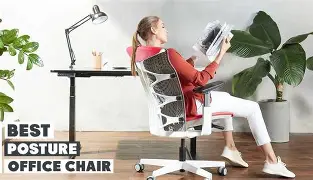
1. Adaptive suspension back that redistributes pressure
One of the Comfortflex's less-advertised strengths is the way its backrest behaves like a lightweight suspension system rather than a static panel. Instead of a rigid shell or simple mesh, the back is engineered to flex across multiple points. In practice, this redistributes pressure more evenly across the spine and shoulder blades when the user shifts posture.
Real-world use case: For someone who alternates between focused computer work and quick meetings throughout the day, the adaptive back minimizes hotspots that cause upper-back fatigue. Designers, editors, and anyone who leans forward frequently to view screens will find the distributed support reduces the need for repeated manual lumbar adjustments.
2. Synchronized recline and tension control for active sitting
Under the seat, the Comfortflex incorporates a synchronized recline mechanism with easy-to-access tension adjustment. Rather than locking the recline in a single position, this system allows the seat and back to move in coordinated ratios to preserve lumbar support while the user reclines or leans forward.
Why this matters: Programmers and writers who move between deep-focus posture and relaxed thinking posture benefit from a recline that follows the body instead of forcing a break in alignment. The tension control also lets lighter and heavier users tune resistance so the chair supports movement without causing sudden or uncontrolled tilting.
3. Subtle forward-tilt and seat pan geometry
Beyond normal height adjustment, a hidden ergonomic advantage comes from the seat pan's geometry and subtle forward-tilt capability. When engaged, the forward-tilt encourages a slightly open hip angle that supports a more neutral pelvis and reduces lumbar curvature issues during prolonged typing sessions.
Practical example: Content creators and engineers who spend long stretches in a focused typing position will notice less lower-back aching at the end of the day when the chair promotes a modest, ergonomic forward tilt. This is particularly helpful when paired with a properly positioned keyboard and monitor.
Find top-rated Electronics products at great prices.
Shop Amazon →4. Tool‑less maintenance and modular replacement parts
Durability and lifecycle costs are hidden features that matter to facility managers and long-term users alike. The Comfortflex is designed so common wear parts — casters, armrest pads, and even the seat cover — can be replaced without complex tools. This reduces downtime in shared environments and lowers total cost of ownership over several years.
Why facilities teams care: In coworking spaces, education labs, and active offices, chairs receive heavy, varied use. Being able to swap out a worn caster or replace a cushion prevents premature disposal and keeps the fleet looking and performing well without full chair replacement.
5. Thermal comfort through breathable suspension material
Comfort during long hours often comes down to temperature management. The Comfortflex uses a breathable suspension material and back geometry that promotes air circulation across the back and seat. The result is less heat buildup compared to thick foam seats and closed-back designs.
Real-world impact: Users in warmer climates or under computer equipment that generates heat report feeling fresher during extended sessions. For hybrid workers who move between locations, this breathability can make the difference between sustained productivity and frequent breaks for comfort.
How these features combine in daily workflows
Each of the five features above addresses a different dimension of the sitting experience — pressure distribution, dynamic movement, posture promotion, maintenance, and thermal comfort. Together they deliver a more resilient, adaptable chair for people who spend long periods seated and for organizations that manage multiple users. The adaptive back and synchronized recline keep the user supported throughout motion; the seat geometry encourages a healthier typing posture; the materials help control temperature; and modular parts extend usable life. Buyers purchasing for hybrid or multi-user settings will appreciate how the combination reduces common complaints: sore lower back, overheated seating, and premature wear.
Pros & Cons
- Pros
- Adaptive backrest reduces pressure points and supports a range of postures
- Synchronized recline with tension control encourages active sitting
- Forward-tilt and seat geometry help maintain neutral pelvis alignment
- Tool-less replacement parts lower lifecycle costs and simplify maintenance
- Breathable materials improve thermal comfort during long sessions
- Cons
- Not as customizable as ultra-premium ergonomic models (limited specialist adjustments)
- Some users may prefer thicker cushioning for soft-feel comfort
- Armrest reach and width adjustments may not suit all body shapes without aftermarket pads
- Appearance and materials are modern but may not match high-end executive aesthetics
Comparison: Vari Comfortflex vs typical mid-range and premium ergonomic chairs
| Feature | Vari Comfortflex | Typical Mid‑Range Office Chair | Premium Ergonomic Chair |
|---|---|---|---|
| Core adjustability | Multiple user-friendly adjustments (height, tension, recline, subtle forward tilt) | Basic adjustments (height, tilt lock, occasional tilt tension) | Extensive customization (4D armrests, precise lumbar, seat depth, multiple recline modes) |
| Back support | Adaptive suspension back with distributed support | Often fixed shell or simple mesh with limited flexibility | Engineered lumbar systems with fine-tuning and contours for long-term therapy |
| Thermal comfort | High breathability through suspension materials | Varies; many use foam that traps heat | Breathable options but often with premium mesh and specialized fabrics |
| Maintenance | Tool‑less part replacement and modular components | Parts may be non-replaceable or require tools; higher replacement frequency | Designed for long life; parts replaceable but sometimes costly |
| Price point | Mid-to-upper mid-range; value-oriented for features | Lower cost; compromises in materials and parts longevity | High-end; significant investment for advanced ergonomics |
| Best for | Hybrid workers, home offices, managers buying fleets | Light-duty home use, short sessions | Full-time office workers with specific ergonomic needs |
Buying guide: What to test and ask about before purchasing
When considering the Vari Comfortflex or any ergonomic chair for prolonged or shared use, certain checks and questions separate a satisfactory purchase from a costly mistake. The following checklist reflects real concerns buyers and procurement managers commonly raise.
1. Try multiple postures
Spend several minutes test-sitting in different positions: upright typing posture, slight forward lean, relaxed recline, and side-to-side shifting. Check if lumbar support remains present and if the recline and tension feel smooth and predictable through those movements.
2. Check adjustability range
Confirm that the height range matches the intended user's desk and body proportions. If possible, test the forward-tilt and tension ranges to ensure lighter users can engage it and heavier users still receive adequate support.
3. Evaluate thermal comfort
Sit for at least 10–15 minutes to feel if the material breathes or traps heat. Buyers who work in warm environments should prioritize suspension or open-mesh designs to limit discomfort over a workday.
Discover deals on Electronics — updated daily.
See Deals →4. Inspect serviceability
Ask whether common parts are replaceable without professional service and whether replacement parts are sold separately. For organizations, tool-less maintenance and spare part availability reduce downtime and lifecycle costs.
5. Consider armrests and desk clearance
Make sure armrests comfortably support the forearms when typing without elevating shoulders. Also verify that the chair can slide under the desk for standing-desk workflows or when tucking away for space-saving.
6. Understand warranty and return policies
Look for clear warranty terms that cover structural components and mechanisms. A reasonable return or trial period matters for remote purchases because fit and comfort are subjective and often require more than a short in-store test.
7. Match the chair to the user profile
Different users need different things. For people who alternate between sitting and standing, a chair with easy recline and stable seat geometry is ideal. For users with previous lower-back issues, a model with more advanced lumbar tuning may be preferable.
Maintenance tips to extend life and performance
To keep the Comfortflex performing at its best, follow a few practical maintenance habits that real users and office managers recommend:
- Clean breathable materials with a vacuum and mild detergent as needed; avoid saturating any suspension fabric.
- Rotate casters periodically and check floor compatibility (use a hard-floor caster or mat where appropriate).
- Periodically check and retension the recline mechanism to maintain smooth motion as components settle over time.
- Replace armrest pads and casters at the first sign of wear to avoid secondary damage to the frame or base.
Who should consider the Vari Comfortflex?
The chair is a strong candidate for several common buyer profiles:
- Remote professionals who spend full workdays at home and need a balance of adaptive support and breathability.
- Small teams and managers who want a modern, robust chair for hybrid offices without the per-seat cost of the highest-end ergonomic models.
- Shared spaces such as hot-desking environments or training rooms where tool-less maintenance and replaceable parts meaningfully reduce operational headaches.
Conclusion
The Vari Comfortflex Office Chair hides several practical engineering and design touches that improve everyday comfort and reduce long-term costs: an adaptive suspension back, synchronized recline with tension control, subtle seat geometry promoting better posture, serviceable modular parts, and breathable materials. These features are especially relevant to people who sit for long stretches, work in warm environments, or manage multiple users across shared spaces. By testing for posture support, adjustability range, thermal comfort, and part serviceability before purchase, buyers can ensure the chair will meet their real-world needs and deliver consistent performance over time.